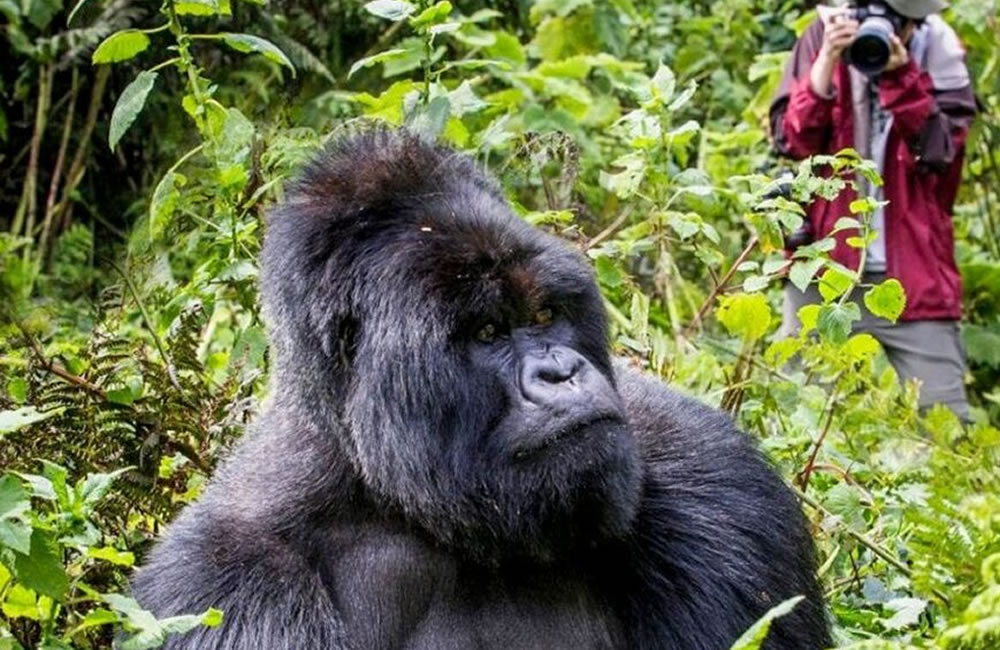
Combining gorilla trekking with self-drive safaris in Kenya and Tanzania is a unique East African adventure that brings together two very different wildlife experiences. While Kenya and Tanzania are world-famous for their savannah safaris, especially in places like the Serengeti and Maasai Mara, gorilla trekking is not available in these two countries. Instead, travellers usually combine a self-drive safari in Kenya or Tanzania with a cross-border journey to Uganda or Rwanda, where mountain gorillas can be found in protected forests.
This type of trip allows you to enjoy the freedom of driving through vast open plains filled with lions, elephants, giraffes, and wildebeests, and then continue your journey into misty mountain forests for a rare encounter with gorillas. It requires careful planning, long-distance travel coordination, and proper documentation for crossing borders. With the right preparation, this combination creates one of the most diverse and exciting safari experiences in Africa.
What Is Gorilla Trekking?
Gorilla trekking is an activity where visitors hike through tropical forests to find a family of mountain gorillas living in the wild. After locating them, visitors are allowed to spend one hour observing the gorillas as they eat, play, rest, and interact with one another. Mountain gorillas are among the world’s most endangered animals, and they can only be found in a few protected forests in East and Central Africa. The major destinations for gorilla trekking are:
- Bwindi Impenetrable National Park
- Mgahinga Gorilla National Park
- Volcanoes National Park
- Virunga National Park
What Is a Self-Drive Safari?
A self-drive safari is a safari where travelers rent a vehicle and drive themselves instead of hiring a driver-guide. This style of travel has become very popular in countries like Uganda, Rwanda, Kenya, Tanzania.
Most self-drive travelers use strong 4×4 vehicles because many safari roads are rough, dusty, or muddy.
Popular safari vehicles include:
- Toyota Land Cruiser 76 & 78
- Toyota Land Cruiser Prado
- Toyota Land Cruiser V8
- Understanding Why Gorilla Trekking Is Combined with Self Drive Safaris
Combining gorilla trekking with self-drive safaris in Kenya and Tanzania is popular because these countries offer some of Africa’s best wildlife safari experiences while nearby Uganda and Rwanda provide the rare chance to see mountain gorillas, allowing travellers to enjoy two completely different ecosystems in one long journey, with Kenya and Tanzania offering open savannahs filled with lions, elephants, giraffes, zebras, cheetahs, and wildebeests, while Uganda and Rwanda offer dense tropical forests where gorillas live, creating a perfect combination of classic safari adventure and primate trekking that attracts travellers who want a more complete East African wildlife experience instead of focusing on only one type of safari activity.
- Choosing Between Kenya and Tanzania for the Self-Drive Safari Portion
Choosing whether to start your self-drive safari in Kenya or Tanzania is important because both countries offer world-famous wildlife destinations but differ in driving conditions, park accessibility, costs, and safari style, with Kenya being known for parks such as Maasai Mara National Reserve, Amboseli National Park, and Tsavo National Park, while Tanzania is famous for Serengeti National Park, Ngorongoro Conservation Area, and Tarangire National Park, and Kenya generally has slightly easier road connections and shorter travel distances between parks, while Tanzania offers larger wilderness areas and more remote safari experiences, making both excellent choices depending on the traveller’s interests and available travel time.
- Understanding Where Gorilla Trekking Takes Place
Understanding where gorilla trekking happens is essential because many travellers mistakenly think gorillas can be seen in Kenya or Tanzania, yet mountain gorillas are only found in Uganda, Rwanda, and the Democratic Republic of Congo, with Uganda offering trekking in Bwindi Impenetrable Forest and Mgahinga National Park, Rwanda offering trekking in Volcanoes Park, and Congo offering trekking in Virunga, meaning travellers combining Kenya or Tanzania with gorilla trekking must plan cross-border travel into one of these countries, which adds an extra layer of logistics but also makes the journey more adventurous and diverse.
- Planning a Cross-Border East African Safari Route
Planning a cross-border safari route is extremely important because combining Kenya or Tanzania with gorilla trekking requires traveling across several East African countries, and the route must balance long-distance driving, border crossing procedures, wildlife viewing, and trekking schedules without exhausting the traveller, with one common route starting in Nairobi, visiting Maasai Mara, crossing into Uganda through western Kenya, continuing to Queen Elizabeth National Park and Bwindi for gorilla trekking, while another route starts in northern Tanzania with Serengeti and Ngorongoro before crossing into Uganda or Rwanda for trekking, and because these journeys involve several days of driving, travellers must carefully calculate travel times, fuel stops, accommodation locations, and border requirements to ensure a smooth and enjoyable trip.
- Booking Gorilla Permits Early for Uganda or Rwanda
Booking gorilla permits early is one of the most important parts of the trip because gorilla trekking is highly controlled to protect endangered mountain gorillas, and permits are limited in Uganda, Rwanda, and Congo, meaning travellers must secure their permits several months before travel, especially during peak safari seasons such as June to September and December to February, with permits in Uganda issued by the Uganda Wildlife Authority and permits in Rwanda issued by the Rwanda Development Board, and because the trekking date determines your final route and accommodation locations, early booking helps organize the entire safari schedule properly and prevents last-minute disappointments caused by sold-out permits.
- Renting the Right Self-Drive Safari Vehicle
Choosing the right self-drive vehicle is essential because the roads across Kenya, Tanzania, Uganda, and Rwanda vary greatly from modern highways to rough gravel roads and muddy tracks, especially near national parks and mountain gorilla regions, making a reliable 4×4 vehicle necessary for comfort and safety throughout the journey, with popular safari vehicles including Toyota Land Cruiser 76, Toyota Land Cruiser Prado, and Toyota Hilux, all of which are suitable for long-distance East African travel due to their durability, off-road capability, and ability to handle difficult terrain, especially in rainy seasons or remote park areas where road conditions can quickly change.
- Understanding Border Crossing Requirements
Understanding border crossing procedures is very important because combining Kenya, Tanzania, Uganda, and Rwanda requires international travel documentation, vehicle permits, and customs checks that can affect your itinerary if not prepared properly, with travelers needing passports, visas where necessary, vehicle registration papers, COMESA insurance, yellow fever vaccination certificates, and sometimes temporary vehicle import permits depending on the countries visited, and because border procedures can take time, travelers should arrive during daytime hours and keep multiple copies of important documents to make crossings smoother and avoid unnecessary delays during the trip.
- Planning Accommodation Along the Route
Planning accommodation carefully is important because long-distance self-drive safaris across East Africa involve multiple overnight stops, and choosing lodges near parks or border crossings helps reduce driving stress and allows travelers to maximize wildlife activities while resting properly before long travel days or gorilla trekking hikes, with options ranging from budget campsites and guesthouses to mid-range safari lodges and luxury tented camps in Kenya, Tanzania, Uganda, and Rwanda, and because gorilla trekking starts early in the morning, staying near trekking sectors in Bwindi or Volcanoes National Park is especially important to ensure timely arrival for ranger briefings.
- Understanding Road Conditions Across East Africa
Road conditions vary greatly across East Africa and directly affect travel speed, fuel use, and comfort, with Kenya having relatively good highway networks connecting major towns and parks, Tanzania offering longer gravel roads particularly in remote safari areas like Serengeti, Uganda having rougher mountain roads near gorilla trekking regions, and Rwanda offering the smoothest road system among the four countries, and because some roads become muddy or slippery during rainy seasons, travellers should always drive carefully, avoid night travel, and allow extra travel time between destinations to avoid rushing and ensure safe driving conditions.
- Managing Fuel and Travel Distances
Managing fuel and long travel distances is important because East African safaris often involve hundreds of kilometres between parks and towns, and fuel stations may be limited in remote regions such as northern Tanzania, western Uganda, or areas near gorilla parks, meaning travellers should refuel whenever possible and carry enough cash or cards for fuel payments while also planning realistic daily driving distances to avoid fatigue, especially after long game drives or gorilla trekking activities that can already be physically demanding.
- Budget Planning for a Multi-Country Safari
Budget planning is essential because combining self-drive safaris in Kenya or Tanzania with gorilla trekking in Uganda or Rwanda can become expensive if not carefully managed, with major costs including car rental, gorilla permits, fuel, accommodation, border fees, park entry fees, food, and travel insurance, and because gorilla permits are the most expensive single activity, travellers often reduce costs by choosing mid-range lodges, rooftop tent camping, or traveling in groups to share fuel and vehicle expenses while still enjoying a high-quality safari experience across multiple countries.
- Safety Tips for Self-Drive Travel in East Africa
Safety is very important during a cross-border self-drive safari because travelers move through remote wildlife areas, busy towns, and unfamiliar roads across several countries, meaning it is important to avoid night driving, keep valuables secure, follow park rules, maintain safe speeds in wildlife zones, and always listen to ranger instructions during gorilla trekking, while also ensuring the vehicle is in good condition and carrying emergency supplies such as water, spare tires, recovery tools, and offline navigation maps to reduce risks during long-distance travel.
- Choosing the Best Time to Travel
The best time to combine gorilla trekking with self-drive safaris in Kenya and Tanzania is during the dry seasons from June to September and December to February because roads are easier to drive, wildlife viewing is better in savannah parks, and gorilla trekking trails are less muddy and slippery, while these months also coincide with the famous Great Migration in Serengeti National Park and Maasai Mara National Reserve, making them ideal for travelers wanting both classic safari experiences and mountain gorilla encounters in one East African journey.
Conclusion
Combining gorilla trekking with self-drive safaris in Kenya and Tanzania creates one of the most complete wildlife adventures in Africa because it allows travelers to experience the open savannahs of East Africa together with the misty mountain forests where gorillas live. Although gorilla trekking does not take place directly in Kenya or Tanzania, nearby Uganda and Rwanda make it possible to combine these experiences through carefully planned cross-border road trips. Kenya and Tanzania offer world-famous safari parks filled with iconic wildlife, while Uganda and Rwanda provide unforgettable gorilla trekking experiences that add depth and uniqueness to the journey.